

Are you the type of person who needs a plan before you can even think about starting? Same. I can’t lift a single item until I know what I’m doing, why I’m doing it, and how it’s all going to unfold.
That’s exactly why I created The Planner’s Guide to Decluttering — a calm, structured approach for people who don’t thrive on the “just grab a bag and start tossing” method.
Not everyone thrives on the idea of just start by tossing something, there are so many different ways to get organized at home, this option is perfect for those who need a plan to start.
If you need direction, steps, and a clear path, this system is for you. We’re going to map out a plan you can trust and the action steps to actually make it happen… without the overwhelm.
I am going to give you a clear and structured plan that walks you through the process of decluttering without the overwhelm.
Affiliate links are included for your convenience. (This means if you purchase after clicking a link I will earn a small commission which won’t cost you a penny more!) Click here to read my full disclosure and privacy policy.

Knowing Your Starting Point
Before anything else, you need a realistic view of what’s going on. No judgment — just honesty. How cluttered does your home feel right now, and which areas bother you the most?
Grab your notebook (or your phone, if you prefer digital) and walk room to room with fresh eyes. For each space, jot down:
- the room name
- the three specific spots that create the most chaos

This gives you a crystal-clear starting point and stops that “everything is a mess” spiral.
If you’re feeling stuck on where to begin, this guide on decluttering walks you through the easiest first steps to kickstart your decluttering journey.
Research from UCLA has shown that clutter can raise stress levels and increase that feeling of being mentally overloaded, which is why getting clear on your starting point matters so much.
Creating Your Plan To Declutter
Here’s the fun part: you’ve already started your plan! I didn’t mention it earlier in case you got sidetracked hunting for the perfect notebook. 😉
Now that you’ve listed your rooms and the top problem areas in each one, zoom in. Break each spot into tiny, manageable sections. Don’t declutter entire rooms — we’re focusing on one drawer, one shelf, or one cupboard at a time.
Small sections = real progress you can finish without burning out.
Having small manageable tasks that can be slipped into the daily plan in 10 – 15 minute slots is perfect for a planner.
If you want even more quick wins, these simple tips help you stay motivated while working through your small sections.
Creating A Realistic Decluttering Timeline
We’re not professionals with a whole team behind us — it’s usually just you, squeezing this in around real life. So let’s keep your timeline kind and doable.
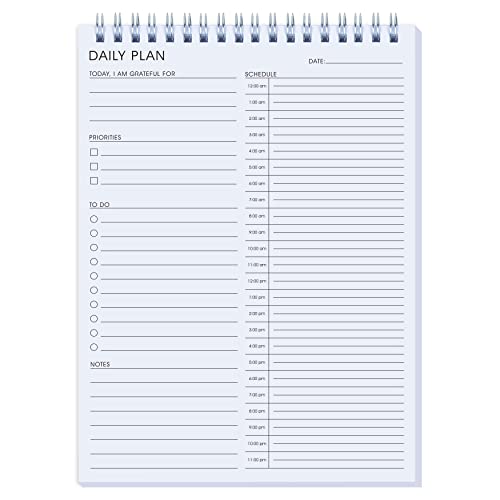
If you can do one 10-minute session a day, brilliant. If life is hectic and you only manage one session a week, that still counts. Add these sessions to your planner so they actually happen, and remember: plans can change. Decluttering is emotional, and real life is unpredictable. Flexibility keeps you moving forward.
Prices pulled from the Amazon Product Advertising API on:
Product prices and availability are accurate as of the date/time indicated and are subject to change. Any price and availability information displayed on [relevant Amazon Site(s), as applicable] at the time of purchase will apply to the purchase of this product.
Depending on your daily life it could be that you can do 1 ten minute session a day, if you have more going on it’s ok if it’s just 10 minutes once a week. Try and schedule into your daily and weekly plans when you are going to tackle the task.
Before Your Decluttering Session Starts
A simple system makes decision-making so much easier. Set yourself up with a few clear categories:
- Keep
- Donate
- Sell
- Recycle
- Trash
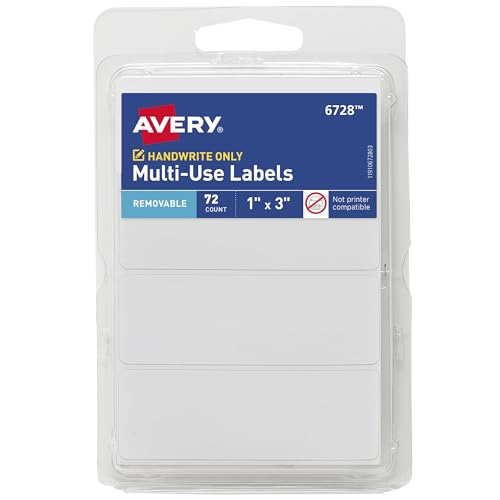
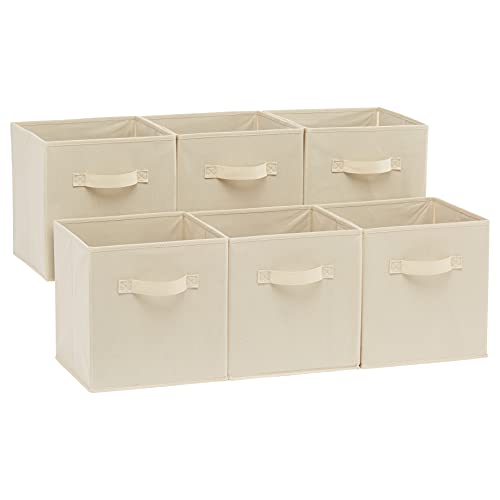
Use boxes, bags, baskets, or just labelled floor areas — whatever feels natural. The goal is to make every decision quick and easy. As soon as you pick something up, you know where it goes.
Prices pulled from the Amazon Product Advertising API on:
Product prices and availability are accurate as of the date/time indicated and are subject to change. Any price and availability information displayed on [relevant Amazon Site(s), as applicable] at the time of purchase will apply to the purchase of this product.
It gives you a sense of control as you know what you are doing with each item as you take hold of it.
If you love simple organising ideas, you’ll find these pantry tips really helpful for keeping small areas tidy long after you’ve decluttered them.
Psychologists like Roy Baumeister have shown that too many decisions drain your mental energy, which is why having clear categories ready before you begin makes decluttering so much easier.
The Decluttering Sweep
Choose one small area and begin sorting into your categories. Keep it quick, keep it light. Once the space is empty, give it a quick tidy — nothing intense, just enough to make it look better than before.
Before you finish, deal with your categories straight away:
- Trash → bin
- Donate → bag it and put it by the door
- Sell → take a photo and list it now
Don’t leave piles sitting around. Starting your next session with empty boxes feels so much easier and keeps the momentum going.
Prices pulled from the Amazon Product Advertising API on:
Product prices and availability are accurate as of the date/time indicated and are subject to change. Any price and availability information displayed on [relevant Amazon Site(s), as applicable] at the time of purchase will apply to the purchase of this product.
Want a gentle walkthrough of the full decluttering process? This guide helps you stay on track from start to finish.
Track Your Progress
Planners love ticking things off — so use it to your advantage! Track every completed section and give yourself a visual win: stickers, stars, or a bright marker. Seeing your progress builds motivation and reminds you that you are moving forward.

Prices pulled from the Amazon Product Advertising API on:
Product prices and availability are accurate as of the date/time indicated and are subject to change. Any price and availability information displayed on [relevant Amazon Site(s), as applicable] at the time of purchase will apply to the purchase of this product.
You can also set a little reward for every room where you finish all three target areas. A tiny celebration makes the next task feel lighter.

Maintenance Routine: Put One In Place Now
Once an area is decluttered and reset, don’t let it slip back into chaos. A quick check every couple of days helps keep it tidy. If something’s out of place, fix it immediately. Maintaining a tidy spot takes seconds compared to doing a full reset again.
Maintaining an area is easier than tackling a decluttering project, so as you move through your home keep those areas you have tackled clutter free.
Once you’ve cleared the clutter, this simple cleaning schedule helps you maintain a calm, organised home week after week.
Final Encouragement And What’s Next
Being a planner is a superpower — not a burden. Your brain loves structure, so use that to your advantage. Every small area you finish is a win worth celebrating, and each one brings you closer to the calm, organised home you want.
If you want more planner-friendly support on your decluttering journey, try these next: