

Start the year with a fresh approach to your home and life by trying some of the top organizational trends to try for 2026. These aren’t just tips, they’re practical systems that make staying organized easier, more sustainable, and even a little fun.
Everyone’s home and lifestyle are different, which means what works for someone else might not work for you. That’s why exploring new ideas and trends is so important: you can find the strategies that truly fit your space and your habits, rather than forcing yourself into a system that adds stress. They are just simple ways to get organized at home without a lot of effort.
From eco-friendly storage to digital decluttering, minimalist spaces to budget-friendly hacks, these trends give you real, doable ways to create order without overwhelm. Pick one, start small, and see the difference it makes. 2026 is your year to build a home that feels calm, organized, and under control.
Affiliate links are included for your convenience. (This means if you purchase after clicking a link I will earn a small commission which won’t cost you a penny more!) Click here to read my full disclosure and privacy policy.
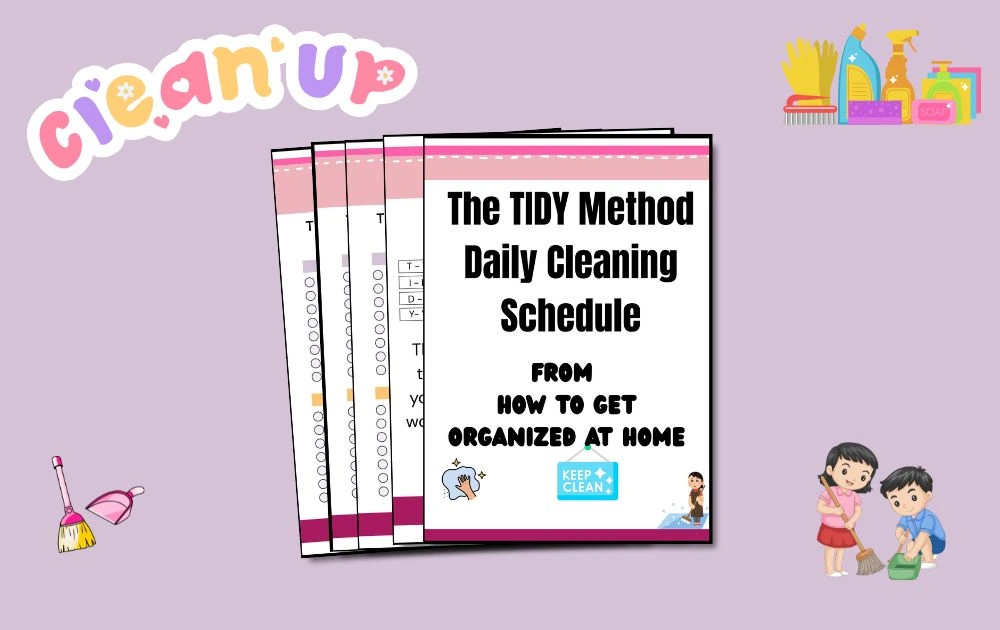
Grab your copy of The Tidy Method Daily Cleaning Schedule
Sustainable And Eco-Friendly Storage
Sustainability isn’t just a buzzword—it’s a trend that’s here to stay in 2026, and it’s perfect for anyone looking to organize their home responsibly. Eco-friendly storage is all about choosing solutions that are reusable, recycled, or second-hand, so you reduce waste while keeping your home tidy.
Some easy ways to start include:
- Reusable containers: Glass jars, glass spray bottles, metal tins, and sturdy plastic containers you already own can store pantry staples, craft supplies, or office items.
- Thrifted and upcycled items: Baskets, bins, and jars from thrift stores or second-hand shops give new life to pre-loved items and save them from landfills.
- Repurposing what you have: Old shoeboxes, jars, or tins can be transformed into drawer organizers, storage for small toys, or even a stylish way to display plants.
Why it matters: Eco-conscious materials like bamboo, recycled timber, glass, and natural fibers are gaining popularity not just for décor but as organizing solutions, as people look for ways to reduce plastic and waste in their homes as suggested by this article. By reusing and repurposing items, you’re not only helping the environment, you’re creating a unique home that reflects your personality while staying organized. Plus, sustainable storage often costs less than buying brand-new organizers, making it a win for your budget too.
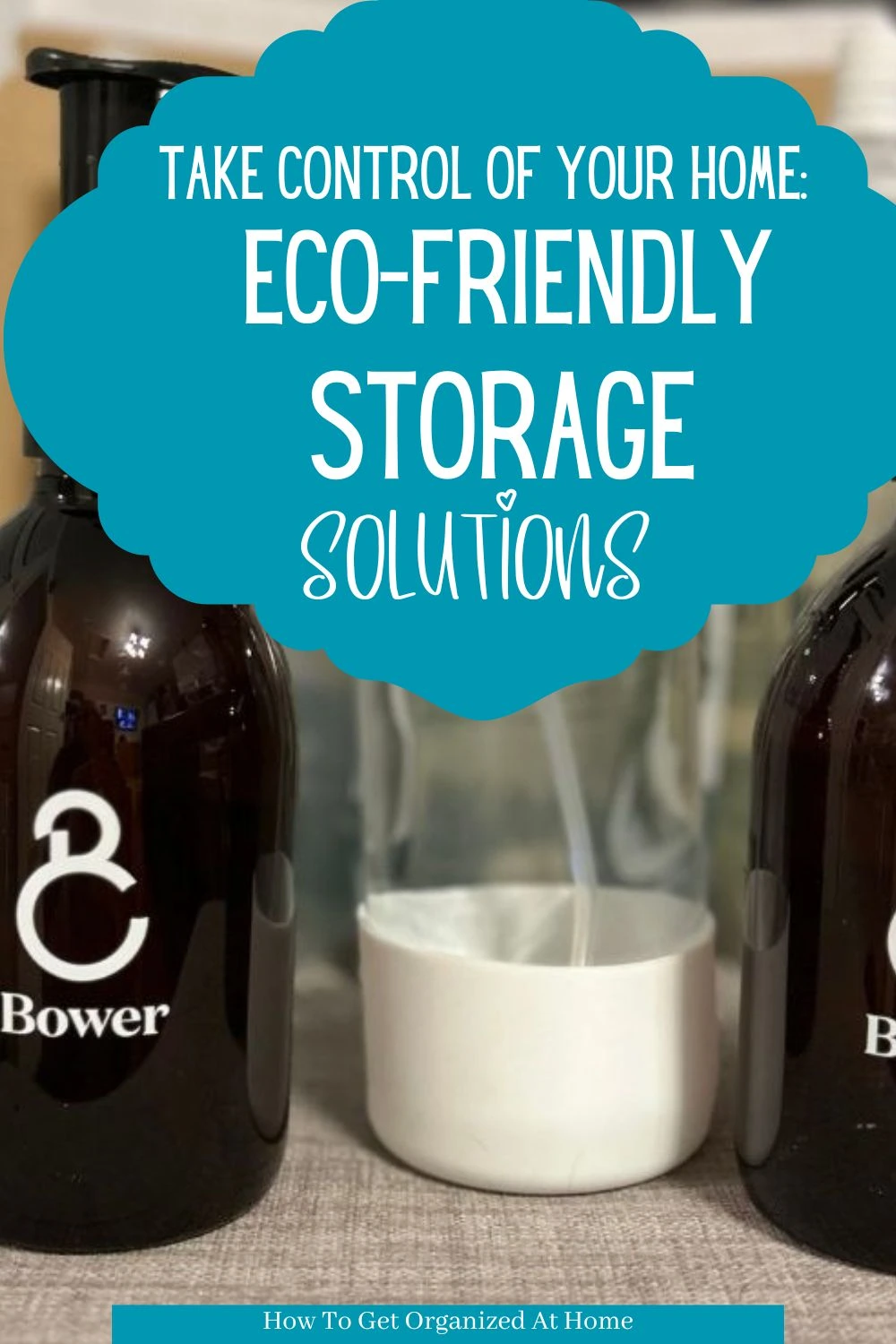
There are companies too, that are doing their bit to help reduce and re-use. Check out The Bower Collective, not only do they send shipping packages with your order so they can re-use the refills but they are also making an impact on plastic in our seas.
Minimalist & Multi-Functional Spaces
Minimalism isn’t just about having less—it’s about making your space work harder for you. In 2026, more people are embracing multi-functional spaces and carefully curating the items in their homes so every piece serves a purpose. This approach helps you stay organized while also giving your home a calm, uncluttered feel.
Some ways to apply this trend:
- Hidden storage: Furniture that doubles as storage is a game-changer. Think ottomans with compartments, beds with drawers underneath, or side tables that hide extra supplies. How about a bookcase with a hidden compartment? Hidden storage can transform small spaces like small closet organization.
- Multi-purpose rooms: Don’t let one room have just one function. A guest bedroom can double as a home office, a craft room can also serve as a reading nook, and a dining room can be a homework station when needed.
- Intentional decluttering: Minimalism isn’t about getting rid of everything, it’s about keeping items that truly add value or joy to your life. Each item should serve a purpose, reduce stress, or bring you happiness.
Why it matters: Minimalist, multi-functional spaces maximize your home’s potential, save time searching for things, and give you more freedom to use your rooms the way you want. Less clutter means less mental load and more flexibility in your daily life. Hidden storage and customized solutions have been around for a while, but as this article from 2025 suggests they are here to stay.
Digital Decluttering And Smart Systems
In 2026, staying organized isn’t just about physical spaces—our digital lives need attention too. From smartphones and tablets to cloud storage and smart home devices, digital clutter can sneak in and create stress if left unchecked. Digital decluttering and smart systems help you streamline your life, save time, and make home organization simpler overall.
Ways to implement this trend:
- Organize digital files: Create a consistent folder system for documents, photos, and downloads. Delete duplicates and outdated files regularly so you can find what you need quickly.
- Manage apps and subscriptions: Remove apps you no longer use and review subscriptions you don’t need. Less digital clutter means less mental clutter.
- Use smart home systems: Devices like smart speakers or shared digital calendars can help the whole household stay on track. For example, shopping lists or chore reminders that everyone can access reduce paper clutter and miscommunication.
- Automate where possible: Set reminders for bills, auto-sort emails, or use cloud storage that syncs automatically. This creates systems that keep your life organized with minimal effort.
Why it matters: Digital organization frees up mental space, helps you stay on top of your tasks, and reduces stress from lost information or disorganized tech. Pairing digital decluttering with smart systems creates a home and life that runs smoothly without constant upkeep.
Budget-Friendly Hacks That Can Have A Big Impact
Organizing your home doesn’t have to break the bank. In 2026, more people are turning to budget-friendly solutions that make a noticeable difference without costing a fortune. The focus is on smart shopping, thrifting, upcycling, and DIY solutions that keep your home organized and stylish.
Ways to embrace this trend:
- Thrift and second-hand finds: Look for baskets, bins, and containers at thrift stores or online marketplaces. You can often find high-quality items for a fraction of the retail price. Having a plan for what you might need in the future is a great idea for the planners.
- Upcycling and repurposing: Turn old furniture, jars, or boxes into storage solutions. A little paint, some labels, or creative thinking can transform ordinary items into functional home organizers.
- DIY storage projects: Simple DIY projects, like creating drawer dividers, pegboard organizers, or decorative bins, can save money while giving you exactly what your space needs.
- Smart shopping: If you do buy new items, look for versatile pieces that serve multiple functions, so every purchase has maximum impact. For example: this table has a lift up top.
Why it matters: Trends like sustainable organization often include using items you already have or choosing long‑lasting materials over disposable ones, which naturally supports budget‑friendly organizing, this is the topic of Canadian Living’s article. Budget-friendly organizing ensures that anyone can create a tidy, functional home without stress over costs. It also encourages creativity and sustainability by giving new life to items that might otherwise be discarded.
Habit And System Focused Organization
The best way to keep your home organized in 2026 isn’t just about containers or clever furniture, it’s about creating habits and systems that become part of your daily life. Small, consistent actions add up over time, making it easier to maintain order without feeling like chores are piling up.

Ways to put this trend into practice:
- Daily and weekly checklists: Break big tasks into small, manageable steps. For example, 10 minutes each morning to tidy counters, sort mail, or put away laundry can prevent clutter from building up. A weekly planner can help set this up.
- Routine-based systems: Establish routines for recurring tasks, like a nightly kitchen reset, weekly pantry inventory, or monthly declutter session. Systems reduce decision fatigue and make organization automatic.
- Visual cues and reminders: Labels, charts, or designated zones for items help everyone in the household know where things belong. This makes maintaining order easier, even when life gets busy.
- Habit stacking: Pair organization tasks with habits you already have. For example, after making your morning coffee, wipe down kitchen surfaces, or sort laundry while watching a favorite show.
Why it matters: Systems and habits turn organizing from a one-time chore into a lifestyle. When your routines are consistent, maintaining a tidy home becomes almost effortless, freeing mental space and reducing stress.
Try One Trend Today For A Happier, More Organized Home In 2026
All of the trends we’ve covered, from sustainable storage and minimalist spaces to digital decluttering, budget-friendly hacks, and habit-driven systems, offer practical ways to create a calmer, more organized home. But the key isn’t trying to do everything at once.
Pick one trend that feels most doable for your home and lifestyle and start there. Even small steps, taken consistently, can make a big difference over time. Want to tackle eco-friendly storage? Start with reusing a few containers or thrifted baskets this week. Interested in habit-based systems? Try a single daily checklist for one area of your home.
By focusing on one area first, you’ll build momentum, see real progress, and feel motivated to expand to other trends. Over time, these small changes add up, helping you stay organized, reduce stress, and enjoy a home that truly works for you.
Check out these articles on similar topics: