
Inside: Discover fifteen things minimalists declutter before the end of the year to create a calm and clutter-free home.
As the calendar winds down and winter nears, many of us naturally start thinking about what we want to carry with us into the new year—and what we don’t. It’s a season that calls for slowing down, clearing space, and making room for what truly matters.
Minimalists understand this feeling well. Rather than waiting for January 1st to arrive, they use the final weeks of the year to declutter intentionally.
This isn’t about perfection or owning as little as possible. It’s about removing what no longer supports your life so you can step into a new season with clarity and peace.
If you want to end the year feeling lighter, calmer, and more focused, here are the things minimalists declutter before the end of the year—and how you can do the same.

15 Things Minimalists Declutter Before the End of the Year
Here are fifteen things minimalists declutter before the end of the year for a calm and clutter-free home.
1. Decorations and Seasonal Items That No Longer Fit Your Life
Holiday bins often hold more than decorations—they hold memories, past seasons of life, and things we’ve held onto even if we don’t necessarily love them. Minimalists take time at the end of the year to re-evaluate these items.
Ask yourself:
- Are there decorations you no longer use but feel obligated to keep?
- Does your space feel crowded with more decor items displayed than you’d like?
- Are you hanging onto items that aren’t your style anymore?
Letting go of seasonal items you don’t love creates space for the ones you do. And next year, opening those bins will feel like a breath of fresh air instead of a chore.
Minimalists tend to prefer calm, open spaces, so they regularly ask: Does this item contribute to the feeling I want in my home? If the answer is no, they let it go.
This goes beyond holiday items and applies to your daily decor as well. Re-evaluate if you have decorative pieces that require too much dusting, or seasonal décor you haven’t used in years.
You don’t need more things to create a cozy home for the new year—you need fewer things that matter more.
2. The Hidden Clutter in Storage Spaces
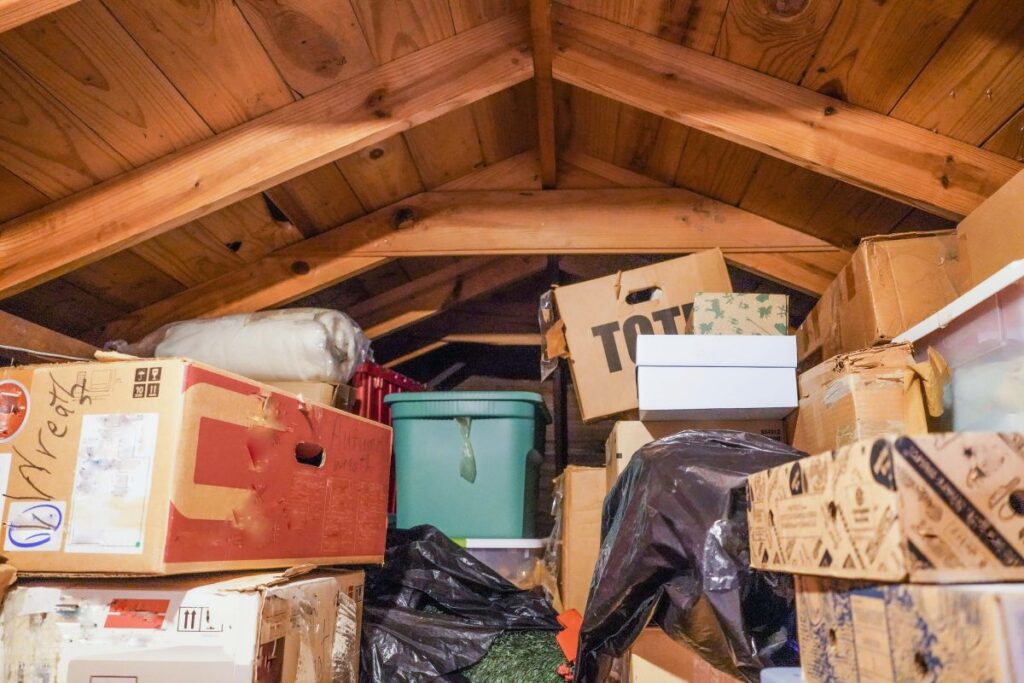
Storage areas have a way of filling up with an assortment of stuff. Basements, attics, garages, and closets often collect items we didn’t want to decide about in the moment.
By the end of the year, they’re full of forgotten projects, old seasonal décor, duplicate tools, and boxes you’d need courage and a flashlight to open.
Minimalists approach these spaces with curiosity rather than dread. They ask simple questions:
- Why did I keep this?
- Does it have a place in my life now?
- Would I buy it again today?
End-of-year decluttering doesn’t have to mean emptying an entire room. Even choosing one category—seasonal decorations, kids’ items from past seasons, random storage bins full of who-knows-what—can significantly lighten the load.
You’re not just removing clutter; you’re reducing decisions for your future self. And that’s the point: you begin the new year feeling lighter and freer.

3. Gifts You’ve Received but Never Used
Another one of the things minimalists declutter before the end of the year may even be items they just received.
It can feel uncomfortable to declutter gifts, but minimalists know that keeping something you don’t use doesn’t honor the giver or your space.
A gift is meant to bring joy—and sometimes the joy it brought was simply in the moment it was given.
If you receive something this year that you know you won’t use, there’s no rule that says you must keep it indefinitely.
Give yourself permission to release it. You’re not letting go of the person or the memory—just the object that doesn’t fit your life. And you’re giving it a chance to get used elsewhere.

4. Clothing That Didn’t Get Worn This Year
Closets are one of the easiest places for clutter to hide. As the year comes to an end, minimalists take inventory of what they actually wore and ruthlessly let go of the clothes that aren’t being worn.
A simple approach is to look at:
- Clothes that still have tags on
- Pieces that feel uncomfortable
- Items you’ve kept “just in case” but never seem to wear
- Duplicates that you don’t need multiples of
- Clothes that no longer fit your lifestyle or body
Letting go of clothing you never wear frees up space and reduces decision fatigue. Starting a new year with a closet full of pieces you truly enjoy makes getting dressed feel effortless.
It also helps you enter January aware of what you actually wear so that you’re less tempted to pick up the latest trendy item. Letting go now helps prevent accumulating new clutter later.
5. Pantry Items That Expired or Went Unused
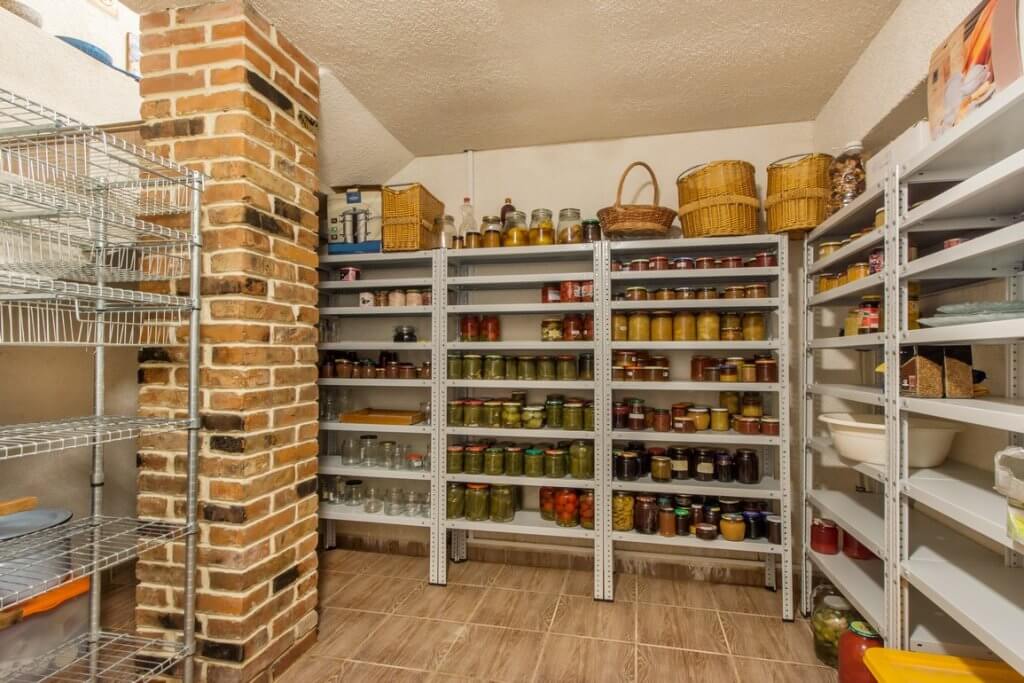
The end of the year is a great time to look through your pantry and refrigerator. Minimalists do this regularly because expired or unused food creates unnecessary clutter and waste.
Take a few minutes to toss:
- Expired products
- Ingredients you bought for a recipe you never made
- Duplicates you won’t use before they spoil
- Snacks you didn’t enjoy
As you clear things out, you may rediscover ingredients you want to use before they expire. And you’ll start the new year with a pantry that feels organized rather than chaotic.
Having a decluttered pantry can also be a great step in working toward healthy eating goals as well.

6. Paper Clutter
Paper clutter often builds up quietly. Minimalists make end-of-year sorting part of their routine so those piles don’t follow them into January.
This includes:
- Old receipts
- Junk mail
- Flyers or coupons you don’t need
- Children’s school papers you intended to sort
Even spending 10–15 minutes clearing out one category can help you start the new year with more mental clarity.
Instead of letting the papers take over the dining table or get stuffed into drawers, take time to shred what you no longer need and file what you do. A simple filing system—or even one labeled accordion folder—can make next year’s paperwork so much easier to manage.

7. Books & Magazines
Minimalists take a gentle, honest look at the aspirational items in their home—things they intended to read, use, or finish but never did.
Ask yourself:
- How long have I owned this book & have I read it?
- Am I likely to read this book again?
- Do I even look at these magazines, or are they just cluttering up my coffee table?
Letting go of items tied to past intentions frees you from unnecessary guilt. You can release them knowing they served their purpose, even if that purpose was simply teaching you what no longer fits your life.
Minimalists tend to limit magazine subscriptions as much as possible and may opt for the digital version over having physical ones in their homes. They also may opt to not buy or own books, but rather use the library as their primary source for reading.
8. Freebies and “Just in Case” Items
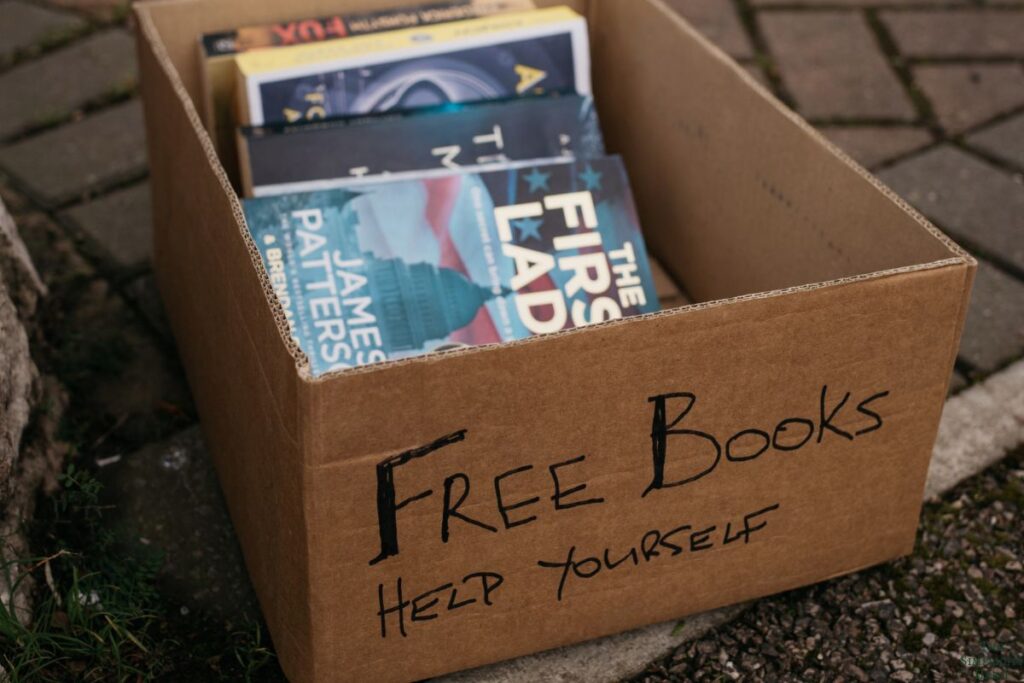
Free items can come from a variety of sources, including events, samples, and tote bags. They’re either something you are given or that you intentionally pick up yourself. However, minimalists have learned that cheap and free items can cause clutter just like the items you buy.
Minimalists often decline free items unless they know it is something that they will use or could easily give away to someone else who would use it.
Another type of item that minimalists are thoughtful about is ones that fall into the “just in case’ category. These items are ones people often hold onto, imagining that they might be useful someday.
Minimalists acknowledge that most of these items simply add visual and mental clutter.
Releasing these items before the new year frees up physical space but also emotional space. You give yourself permission to own only what aligns with your life today.
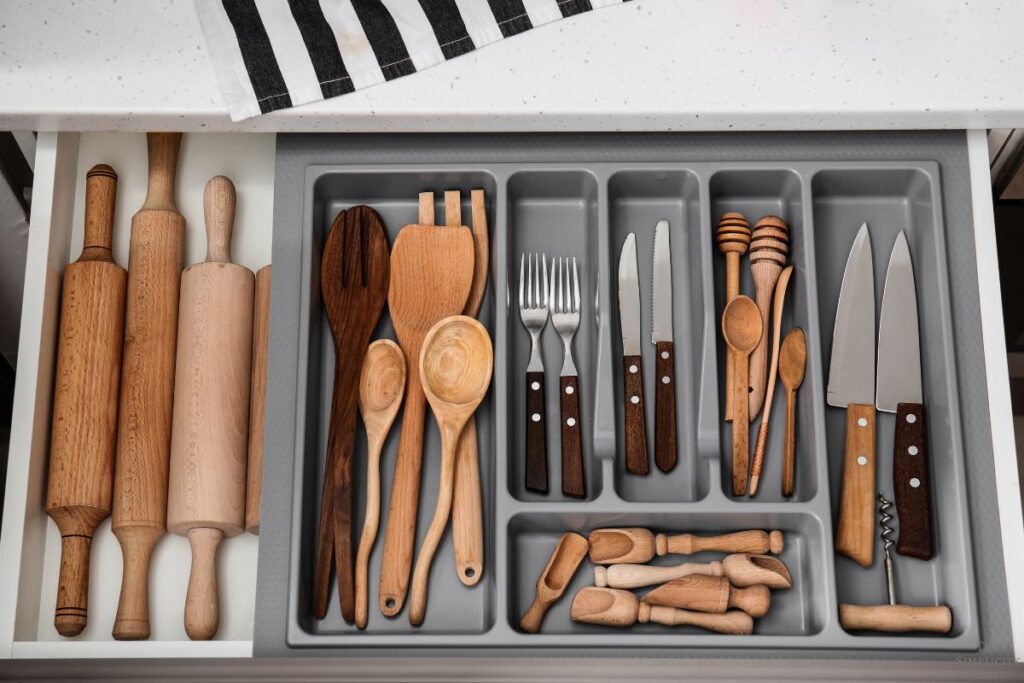
9. Kitchen Tools and Duplicates That Pile Up
Kitchens are high-activity spaces, and clutter can sneak in quickly—extras from holidays, gadgets you tried once, or tools that get shoved to the back of a drawer.
Minimalists typically clear out:
- Duplicate utensils
- Specialty tools you never use
- Chipped dishes
- Mugs that multiply without warning
- Containers missing lids
- Water bottles you don’t need
A simpler kitchen makes cooking easier and more enjoyable. Clearing out even one drawer can make your space feel refreshed.
Minimalists pay attention to what they actually use versus what seems helpful in theory. They streamline tools, reduce visual noise on countertops, and keep only the cookware that gets regular use.
Starting the year with a decluttered kitchen makes meal prep smoother and everyday routines less chaotic.

10. Beauty Products and Toiletries You’re Not Using
Bathrooms accumulate small items throughout the year—samples, partial bottles, products you didn’t end up liking, or items that didn’t work for your skin or hair.
Minimalists review:
- Expired makeup
- Skincare products not being used
- Hair products that don’t work for you
- Duplicates that take up space
Keeping only what you actually use turns your bathroom into a more peaceful place to start and end your day.
For products that still have a lot of life left, consider listing them in your local Buy Nothing group to see if someone else in your community can make use of them.
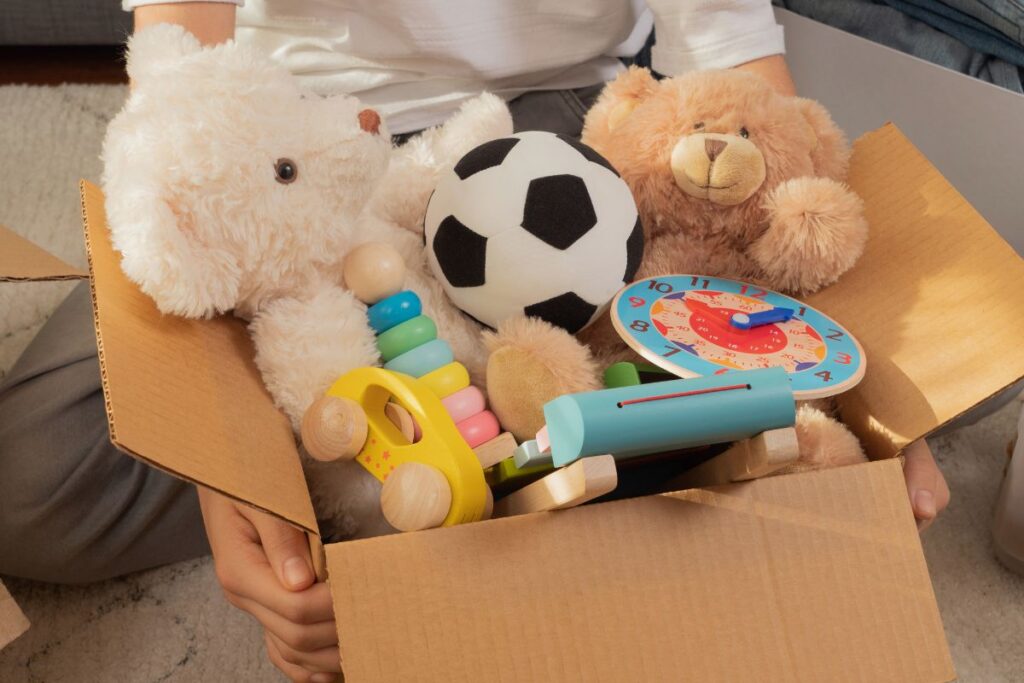
11. Toys, Games, and Kids’ Items
Families with children often experience significant clutter at the end of the year as new holiday gifts arrive. Minimalists help their kids declutter gently, without forcing or shaming.
Together, you can talk about:
- Toys they’ve outgrown
- Games missing pieces
- Activities they no longer enjoy
- Items they’d like to donate to other kids
Creating space before new gifts arrive helps children appreciate what they have and reduces overwhelm.
That way, your kids can focus on toys that encourage imagination and creativity, and you and your family can enjoy your favorite board games together.
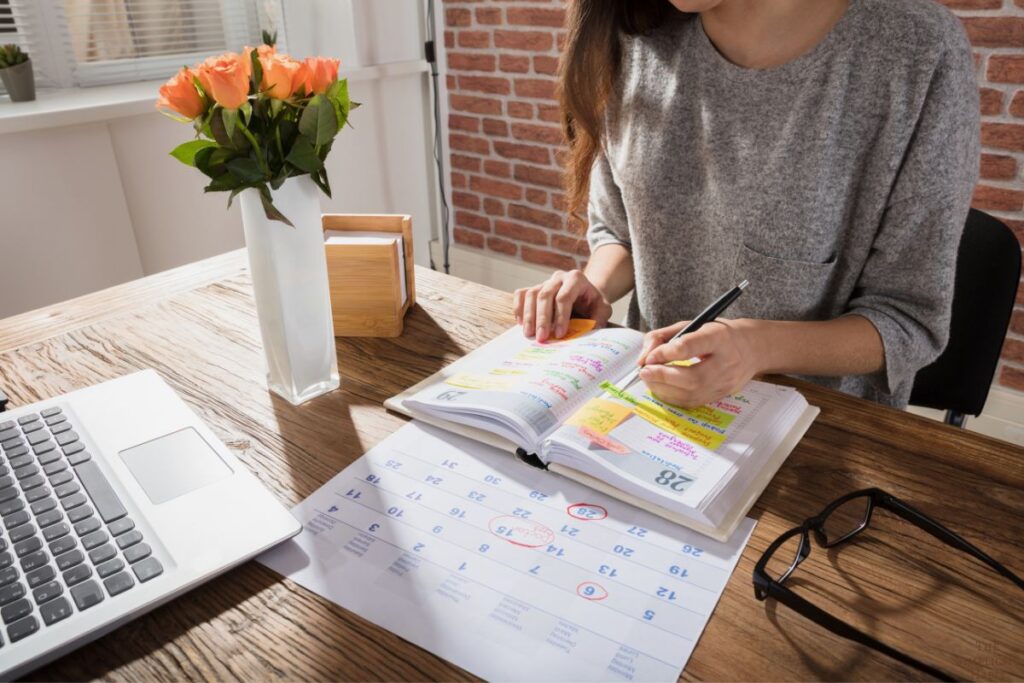
12. Obligations & Commitments
Minimalism isn’t just about physical things. Many minimalists use the end of the year to review their calendar and commitments.
Ask yourself:
- What felt draining this year?
- What brought joy?
- Which activities would I like to make more time for?
The end of the year offers a chance to look honestly at how you’re spending your time.
Decluttering your schedule might mean stepping back from a volunteer role, simplifying kids’ extracurricular activities, reducing weekly obligations, or limiting social commitments that leave you feeling stretched thin.
A simpler schedule opens space for rest, connection, and purpose in the year ahead.
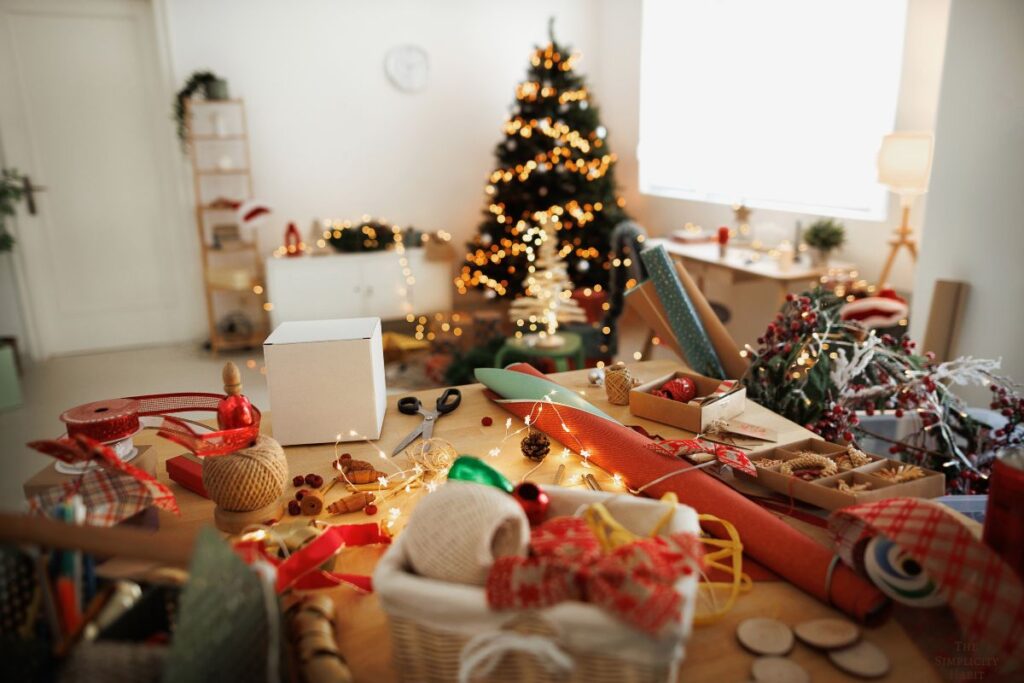
13. Gifts, Supplies, and Packaging That Accumulate in December
December tends to come with extra “stuff”—wrapping supplies, ribbons, tissue paper, cards, gift bags. Minimalists keep only what they’ll actually reuse, and recycle the rest.
Before the end of the year:
- Sort wrapping supplies
- Keep only good-quality gift bags
- Recycle or toss damaged items
- Donate extras you won’t use
Starting next year with an organized, streamlined gift-wrap bin makes a big difference during future holidays.

14. Anything That No Longer Aligns With Who You’re Becoming
Minimalists understand that decluttering isn’t just about tidying up—it’s about aligning your environment with your values.
The end of a year provides a natural opportunity to release anything that doesn’t support the life you’re building.
This might include:
- Hobbies you’re no longer pursuing
- Decor that reflects a past version of yourself
- Items you kept out of guilt
- Purchases that no longer fit your lifestyle
Letting go of these things and decluttering your fantasy self opens the door to a new chapter with intention and clarity.

15. The Mental and Emotional Weight You’ve Been Carrying
Minimalists know that outer clutter is often a reflection of inner clutter. Before the year ends, they take time to pause and reflect on what emotional clutter they can release.
Maybe it’s resentment, comparison, unrealistic expectations, or the constant pressure to do more and be more.
Letting go doesn’t happen overnight, but acknowledging what weighs you down is a powerful first step.
A calmer home supports a calmer mind, and the act of releasing physical clutter often creates momentum for emotional clarity.

Things Minimalists Declutter Before the End of the Year
Decluttering before the end of the year isn’t about emptying your home—it’s about choosing what truly matters and letting go of what doesn’t.
When you release the physical and mental clutter of the past year, you create space for a calmer, more purposeful new beginning.
And you don’t have to do it all at once. Even choosing one or two categories from this list can help you end the year feeling lighter and more grounded.
Which of the things that minimalists declutter before the end of the year will you focus on first? Let us know in the comments section below.
Sign up on the form below to get weekly decluttering tips and inspiration sent straight to your inbox. You’ll also get the free 5 Areas to Declutter in 10 Minutes Checklist to help you get started decluttering today.