

Inside: Discover the psychology of space and why having a clean and tidy home feels so good.
A guest post by Chloe Powell
There’s something almost magical about walking into a room that feels calm and clean. Maybe it’s the satisfaction of clear countertops or the relaxing sight of a freshly made bed.
We often think of decluttering as a practical task—one more thing on the to-do list—but the reality is that the spaces we live affect us more than we realize.
A tidy home doesn’t just look better. It feels better. And that feeling is connected to how our minds respond to our surroundings.
When clutter piles up, so does our stress. When our environment feels chaotic, our thoughts tend to follow.
However, when we tidy and clean our space, we not only make things easier to find but we’re also positively impacting our mental and emotional well-being.
In this post, we’ll explore the psychology of space and why a clean and tidy home brings so much peace with practical tips on how you can create it in your home.

The Pscyhology of Space: The Science Behind Clean Spaces
Your brain thrives on order. There are hidden costs to living in a cluttered space.
When your home is cluttered, your mind is constantly processing visual stimuli, which increases cognitive load and can make you feel mentally drained.
Psychologists refer to this as “attention residue,” the mental energy your brain allocates to unfinished tasks or disorganized spaces.
Tidy, organized environments, on the other hand, provide patterns, symmetry, and predictability that your brain craves. Studies have shown that people in cleaner, organized spaces report lower stress levels and higher focus.
Even small changes, like clearing a countertop or making your bed, can provide that instant sense of calm. Both the act of cleaning and end result can invoke these positive feelings.

How Mess Sneaks Into Your Nervous System
Clutter looks messy, and it affects your body on a physiological level. Visual chaos can trigger the release of stress hormones, such as cortisol, leaving you feeling tense and distracted.
Moms often experience this more acutely because a busy home multiplies sensory and mental input, making it harder to focus or relax.
When you walk past piles of laundry or dishes, your brain registers each item as an unfinished task. This to-do list that you can’t escape creates subtle but constant stress.
Over time, even minor messes can accumulate into a real emotional burden, making it harder to enjoy your space.
Understanding the connection between your physical space and your mental health can motivate you to tackle clutter not just for aesthetic reasons, but also for the sake of your overall well-being.

The Psychology of Space: The Clean-Home, Clear-Mind Connection
A tidy home is visually pleasing and has been shown to actively support mental clarity. Cluttered spaces demand constant decision-making, even if you’re not aware of it, which can lead to decision fatigue.
By keeping your surroundings organized, your brain can relax, focus, and redirect energy toward more important tasks.
Completing even small tasks triggers dopamine, the brain’s reward chemical, giving you a mini mood boost. For instance, while it only takes about 15 minutes to empty your pantry and check expiration dates, you can experience a tangible sense of accomplishment that your brain recognizes and enjoys.
Physical movements involved in cleaning also help release serotonin, which improves mood and reduces stress. It’s a form of low-impact exercise that doubles as emotional regulation.
That’s why a quick 15-minute cleanup often leaves you feeling calmer, lighter, and more in control than you might expect.
Smooth, clutter-free routines reduce daily friction and help create a sense of stability amidst a busy household.
When your space is orderly, it signals to your mind that everything is under control, which translates into a calmer, more productive mindset and environment.

Why Decluttering Is Emotionally Difficult And Why Doing It Feels Amazing
Letting go of items can feel surprisingly difficult because of emotional attachment. Clothes, toys, or sentimental objects often carry memories, identity, or even guilt, which makes parting with them challenging.
Psychologists refer to this as “affective clutter” — items that represent who we are or who we were.
Despite the emotional challenge, the benefits of decluttering are immediate. Clearing out excess belongings reduces stress and creates mental clarity, providing a genuine sense of relief.
The process of decision-making, letting go, and organizing activates reward pathways in the brain, leaving you feeling lighter and more in control. Decluttering is about reclaiming mental and emotional energy.
Consider having a dedicated place to store items that you intend to give away or donate to a local charity. Responsibly donating helps you get things out of your house while benefitting others.
Your home will feel lighter once it is full of things you actually use, and you will feel good about helping others.
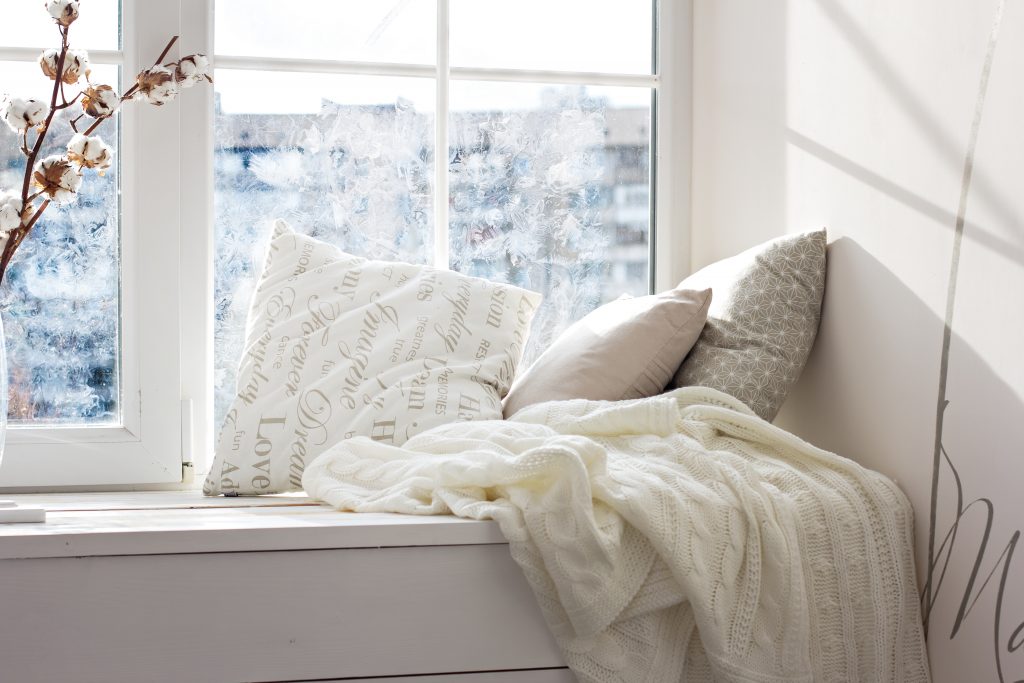
The Psychology of Space: Creating Soft Spaces in the Home
A clean home is only part of the equation. How your space feels matters just as much.
Cozy textures, calming colors, and natural light can regulate your nervous system, making your environment supportive rather than overwhelming. Soft, inviting spaces encourage relaxation and help your mind recharge after a busy day.
For moms aiming to reduce stress, these sensory elements are game changers. A cozy throw, a soothing color palette, or an organized corner with natural light can dramatically improve emotional well-being.
The right combination of cleanliness and comfort turns your home into a sanctuary, promoting both physical order and mental relaxation.
Think of your home as your personal emotional sanctuary. By integrating small decluttering habits, cozy textures, and thoughtful organization, you’re tidying your space and your mind.

Simple Habits That Make Your Home Feel Better Daily
Maintaining a clean, calming home doesn’t require hours of deep cleaning every day. Small, consistent habits can make a huge difference.
Try these simple routines:
- 10-minute tidy: Set a timer and tackle one small space at a time. Even a short burst of organization provides instant mental relief.
- Reset rituals: Make your bed each morning and clear countertops at night. These small wins signal order to your brain.
- Basket system: Place baskets in key areas for items that need to be stored elsewhere. When full, simply relocate the contents.
- Clean as you cook: Instead of waiting for the mess to accumulate, try putting away ingredients and rinsing dishes during the cooking process.
Micro-cleaning is surprisingly powerful. Over time, these tiny tidying habits and routines compound into a home that consistently supports mental clarity, mood, and emotional balance.
You can even get the whole family involved in keeping shared spaces tidy.

A Clean Sweep for Your Soul
The psychology of space shows us that your environment can either drain your energy or restore it. When your home is organized, clutter-free, and comforting, it supports more than just aesthetic appeal.
It also helps regulate your mood, reduce stress, and boost mental clarity. So, grab that duster or basket, and sweep your way to a happier, calmer you.

Chloe Powell, Senior Editor at Revivalist Magazine, shares her passion for women’s lifestyle through insights on beauty, wellness, and modern living. She loves having the opportunity to inspire readers to embrace balance, confidence, and self-expression in their everyday lives.
How does your space make you feel? Let us know in the comments section below.
Sign up on the form below to get weekly decluttering tips and inspiration sent straight to your inbox. You’ll also get the free 5 Areas to Declutter in 10 Minutes Checklist to help you get started decluttering today.